Detailed support across investment sales, 1031 exchanges, tenant representation, landlord representation, retail real estate, and off-market sourcing.

Strategic positioning and buyer sourcing for self-storage, NNN, office, retail, and industrial acquisitions and dispositions.
Fast-track placement into replacement properties that meet your timeline, geography, and investment criteria.
Site selection, lease negotiation, and occupancy solutions for growing companies, franchises, and medical users.
Leasing strategy, market positioning, tenant prospecting, and property management for office, retail, and industrial owners.
Shopping centers, pad sites, inline spaces, restaurant locations, medical retail, and franchise expansion across the Midwest.
Access to pocket listings, pre-market opportunities, and proprietary deal flow across all asset classes.
A short conversation can help you understand your options, avoid costly mistakes, and make a better real estate decision.
A sample of closed investment sale transactions - each one representing a different asset class, strategy, and client outcome across the Midwest market.
Successful disposition of a stabilized self-storage facility. Strategically positioned and exclusively marketed, closing at $13.5M in 2023.
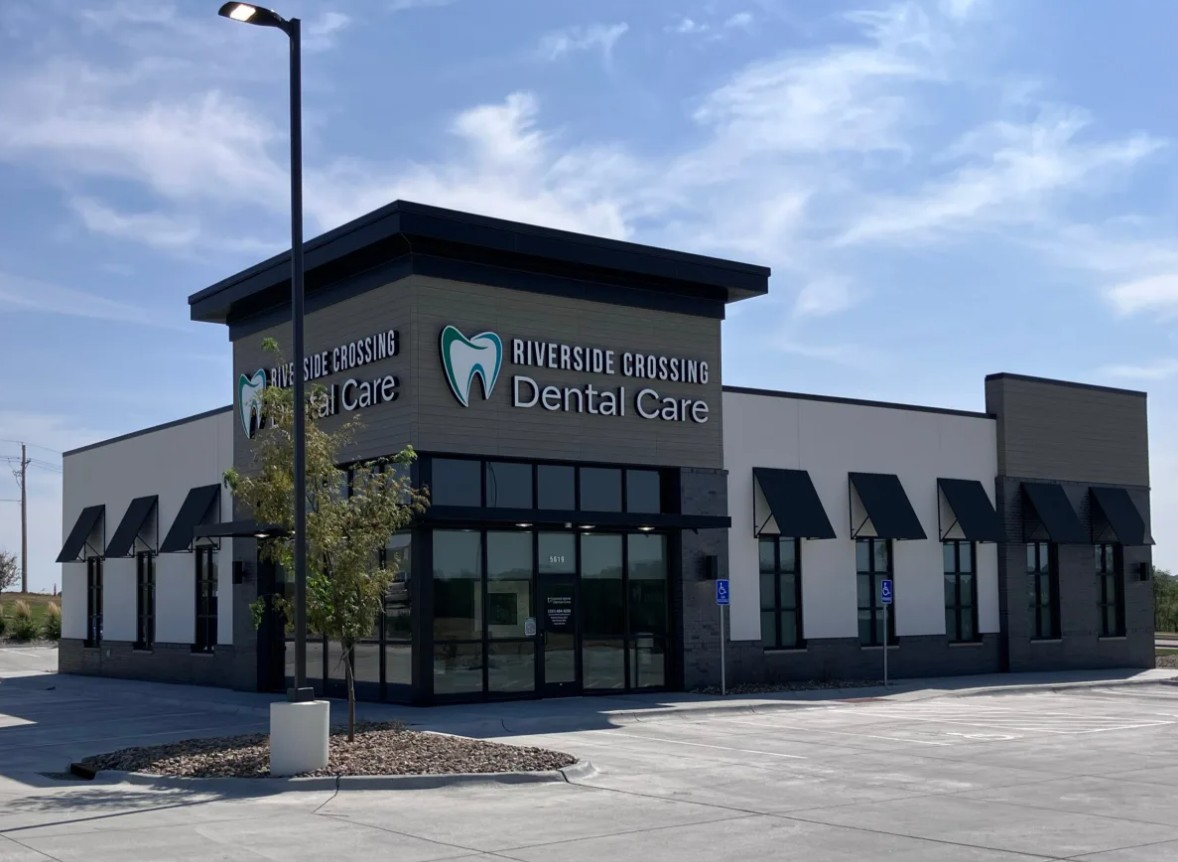
Medical/dental net-leased asset acquired as a 1031 exchange replacement property. Transaction completed in 2025, preserving equity and deferring capital gains for the client.
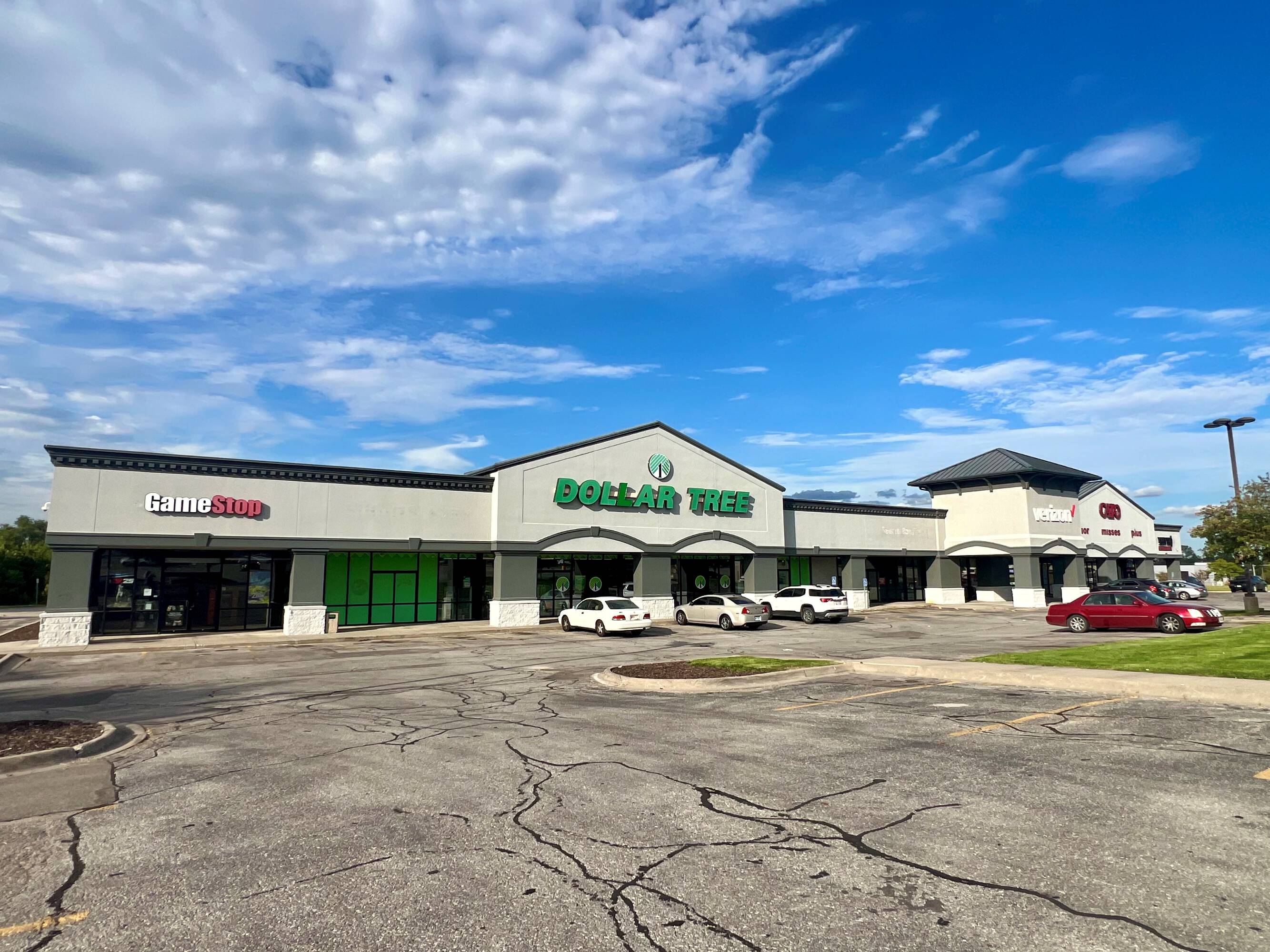
Acquired at a 7.5% cap rate with a deliberate value-add strategy executed through leasing activity after closing - driving additional NOI and increasing asset value post-purchase.
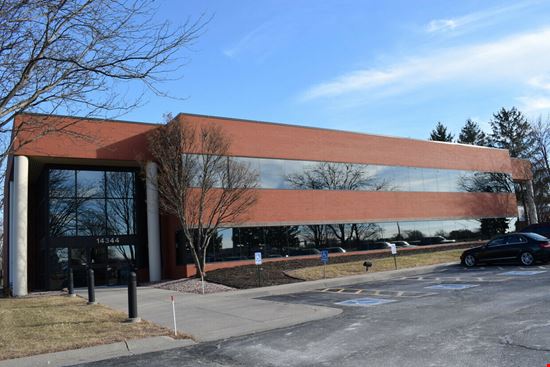
Acquired at 50% occupancy with a clear leasing plan in place. Through targeted landlord representation and tenant sourcing after closing, the property is now operating at 95% occupancy.
Replacement-property sourcing and transaction guidance for investors working inside strict 1031 exchange timelines.
Medical and dental assets can be strong 1031 candidates when the lease structure, tenant profile, financing, and closing timeline support the investor's exchange requirements.
Replacement-property review should compare income durability, rent escalations, tenant strength, location fundamentals, debt assumptions, and long-term resale options.
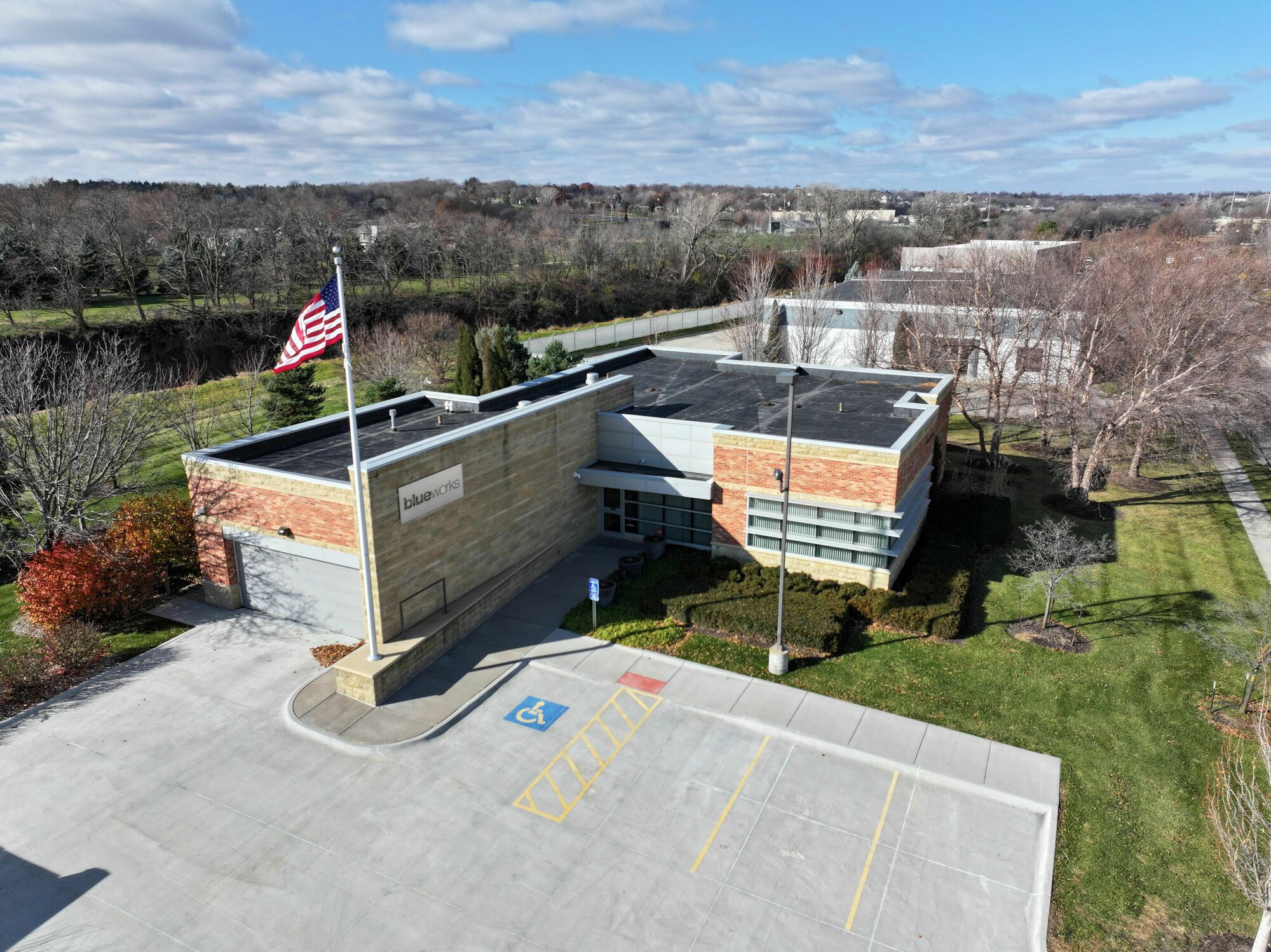
The goal is not to review every listing. It is to quickly isolate credible options that fit the exchange amount, timeline, geography, management preference, and risk profile.
Site selection, lease negotiation, and occupancy planning for companies that need real estate to support growth, recruiting, operations, and cost control.
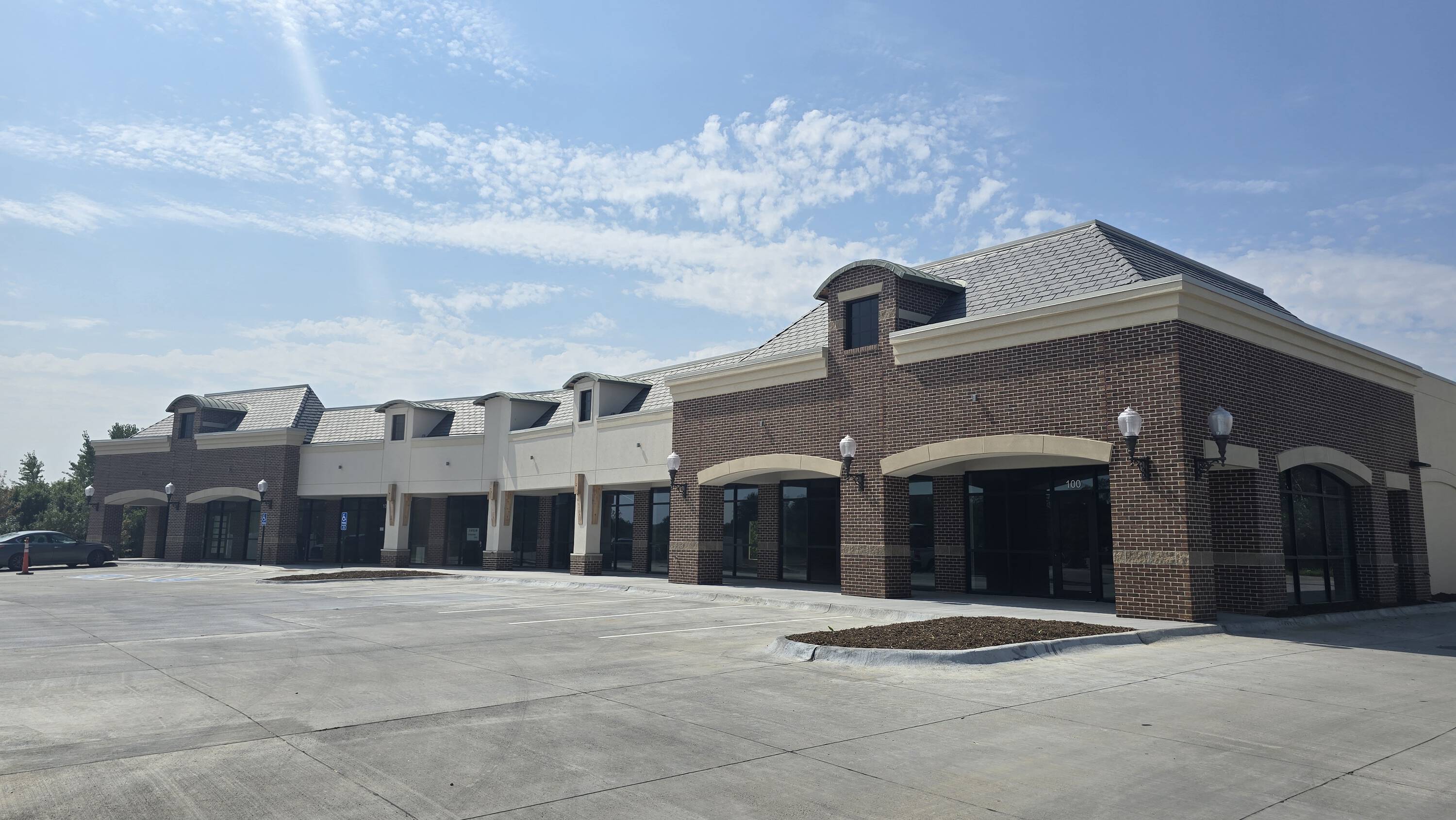
Strong tenant representation turns a list of spaces into a clear business decision by comparing occupancy cost, visibility, parking, buildout, access, and future flexibility.
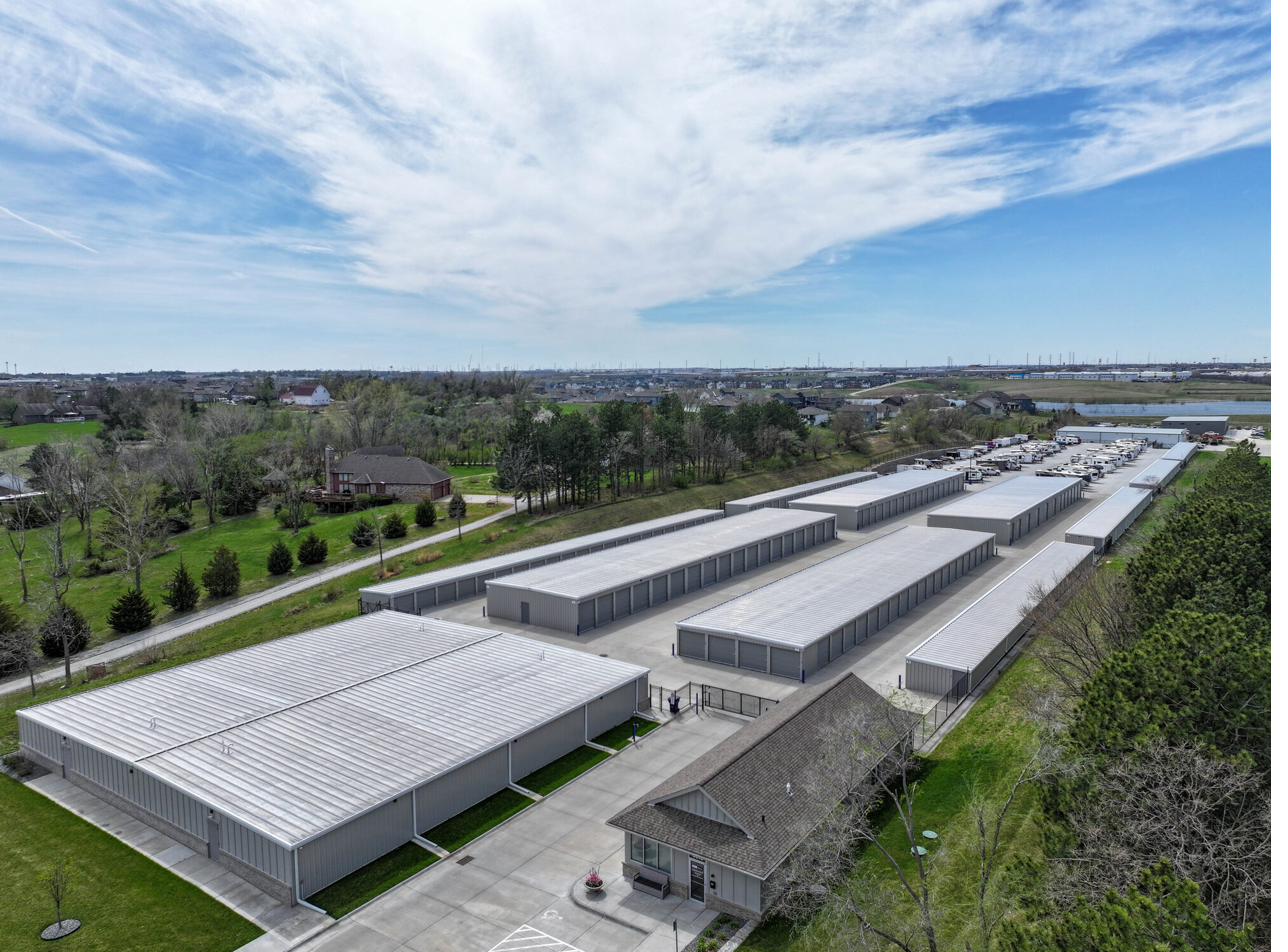
The best space is not always the cheapest space. The right decision balances cost with employee access, customer experience, workflow, brand presence, and expansion needs.
A lease is a long-term operating commitment. Negotiation should address more than base rent, including improvement allowance, options, expense exposure, signage, and flexibility.
Property positioning and tenant-prospecting support for owners who need stronger activity, cleaner negotiations, and better long-term occupancy.
Landlord representation starts with a clear view of who the space is for, why it wins, and how pricing, improvements, and outreach should be positioned.
Good leasing strategy does not wait for inquiries. It combines listing exposure with direct tenant targeting, broker communication, and clear follow-up.
The right lease protects value by balancing rent, credit, tenant improvements, term, renewal options, operating expenses, and the owner's long-term plan for the asset.
Retail-focused support for shopping centers, pad sites, restaurant locations, medical retail, service tenants, and franchise expansion across the Midwest.
Retail decisions depend on how customers actually reach and use the site. Visibility, access, parking, trade-area strength, and neighboring tenants matter.
Retail expansion requires disciplined site comparison, clear economics, and negotiation around buildout, delivery condition, signage, exclusives, and opening timelines.
Medical, restaurant, service, and franchise users each need different site characteristics. The advisory process should match the property to the operating model.
Targeted opportunity sourcing for buyers and investors who need more than public listings and recycled deal flow.
Off-market sourcing works best when the buyer's criteria are specific enough to identify owners and properties that are actually worth approaching.
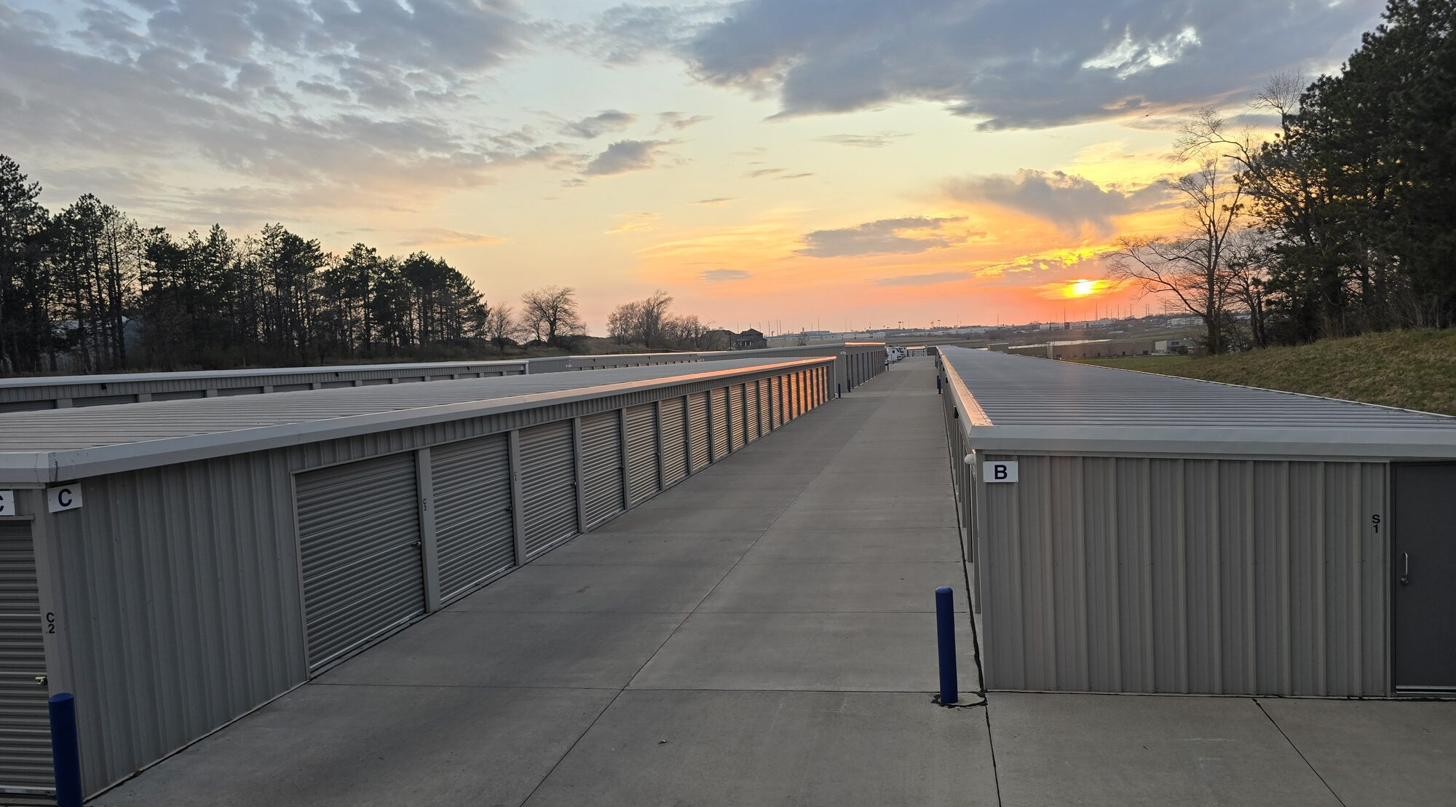
The process is designed to create real conversations without making the buyer look scattered or overexposed in the market.
A sourced opportunity still needs disciplined review. Pricing, seller expectations, financing, diligence, and execution probability all matter before pursuing terms.